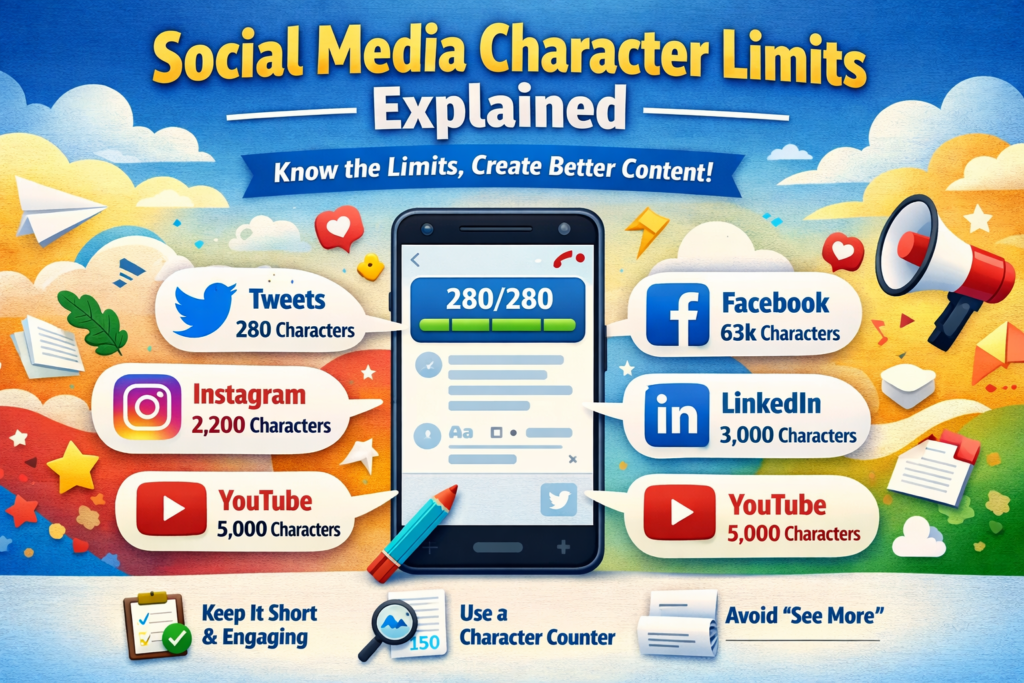
Social media has changed the way people communicate online. Whether you are posting on Instagram, Facebook, Twitter (X), LinkedIn, or YouTube, every platform has its own character limit rules. You can use an character counter tool to check the length of your social media captions before posting.
These limits decide how long your caption, post, bio, or comment can be. If your content exceeds the limit, the platform may shorten it, hide part of the text, or not allow the post at all.
For creators, marketers, and bloggers, understanding these limits is important because it helps them write better and more engaging content.
In this guide, we will break down the character limits of major social media platforms and share tips on how to write posts that stay within the limits while still grabbing attention.
What Does “Character Limit” Mean?
A character limit refers to the maximum number of characters allowed in a piece of content on a platform.
Characters include:
- Letters
- Numbers
- Spaces
- Emojis
- Punctuation marks
For example, if a platform allows 280 characters, your entire message including spaces and emojis must stay within that limit.
This system encourages users to write short, clear, and meaningful messages instead of overly long posts.
Character Limits for Popular Social Media Platforms
Below is a quick overview of the character restrictions used by major social media platforms.
Twitter (X)
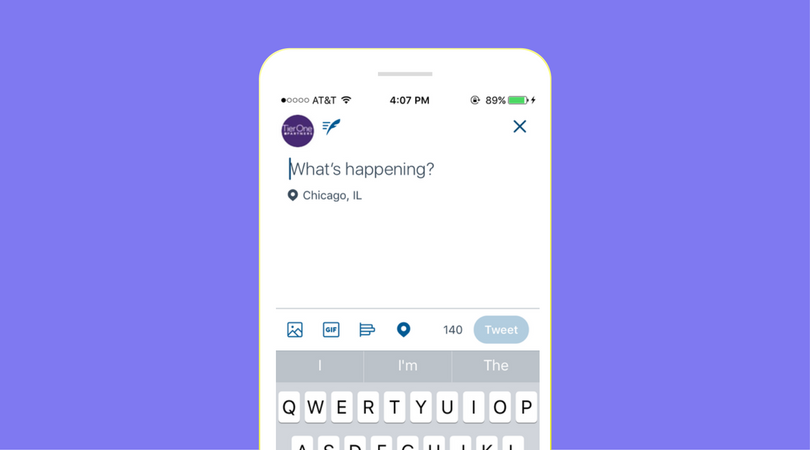
Twitter is known for its short and concise posts.
Key limits include:
- Tweet: 280 characters
- Bio: 160 characters
- Direct message: 10,000 characters
- Username: 15 characters
Because tweets are short, users often create tweet threads to share longer thoughts or stories.

Instagram captions allow more space for storytelling.
Important limits:
- Caption: 2,200 characters
- Bio: 150 characters
- Username: 30 characters
- Hashtags: Maximum 30 per post
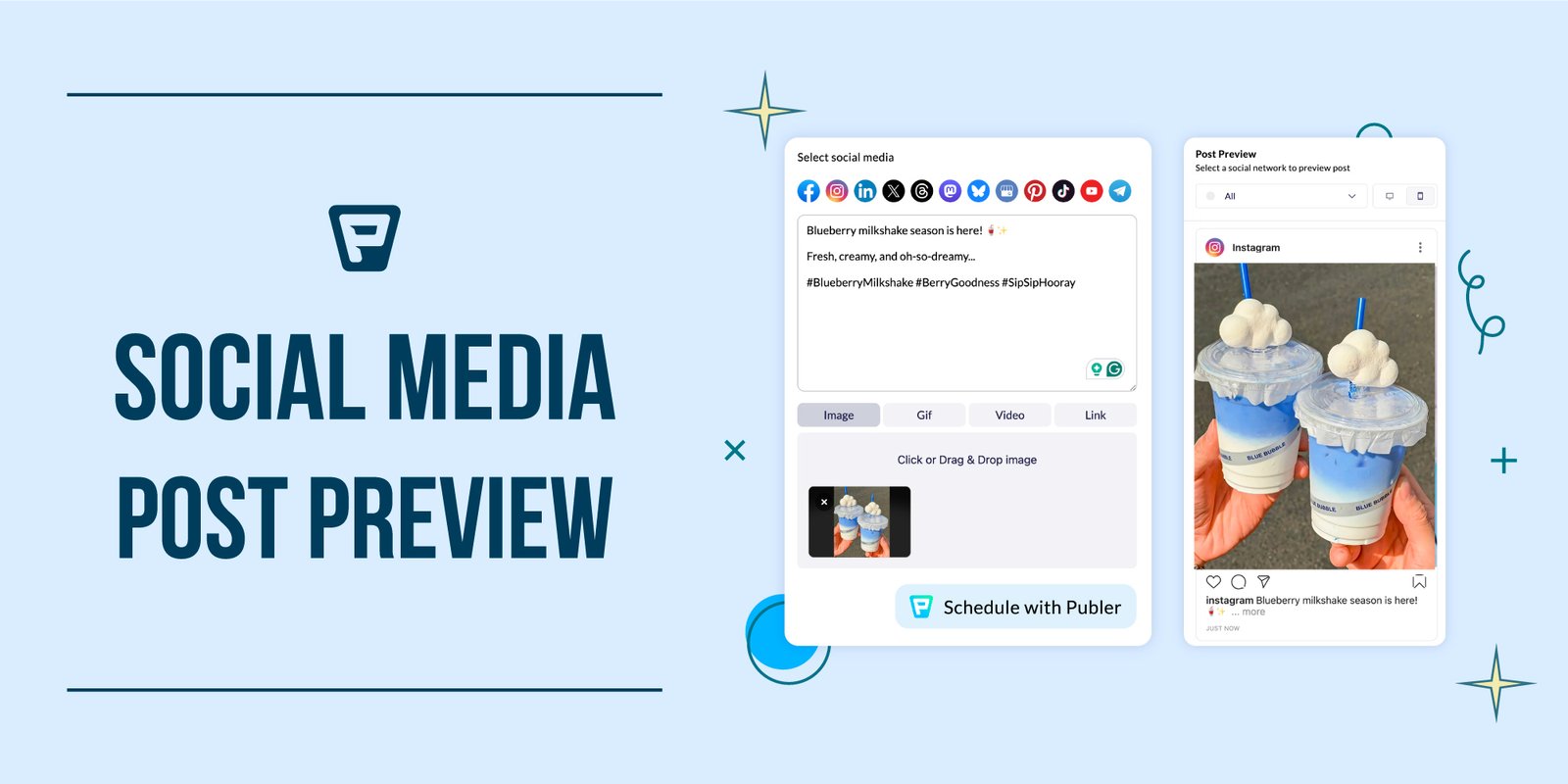
However, only the first 125 characters appear before the “More” button, so the beginning of your caption should be engaging.
Facebook allows some of the longest posts among social platforms.
Common limits:
- Post: 63,206 characters
- Comment: Around 8,000 characters
- Page description: 255 characters
Even though Facebook allows long posts, shorter posts often perform better in terms of engagement.
LinkedIn is a professional networking platform where informative posts perform well.
Character limits include:
- Post: 3,000 characters
- Headline: 220 characters
- About section: 2,600 characters
The first 150 characters are especially important because they appear before the “see more” option.
YouTube
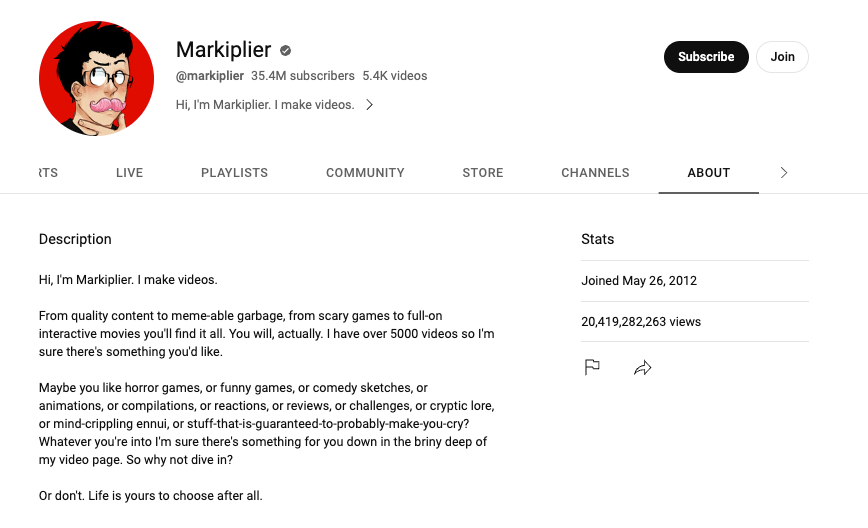
YouTube also uses character limits for titles, descriptions, and comments.
Typical limits:
- Video title: 100 characters
- Description: 5,000 characters
- Comment: 10,000 characters
Descriptions are important because they help with video SEO and search rankings.
Why Social Media Character Limits Exist
Many people wonder why platforms restrict text length. The main reasons include:
Better User Experience
Short posts are easier to read on mobile screens.
Faster Content Consumption
People scroll quickly on social media, so short content works better.
Cleaner Platform Design
Limits help platforms maintain a structured and readable feed.
Encourages Clear Messaging
Users learn to communicate their ideas quickly and effectively.
Tips to Write Better Social Media Posts
Staying within character limits does not mean your content has to be boring. Here are a few helpful tips.
1. Start With a Strong Hook
The first line should capture attention immediately.
2. Avoid Unnecessary Words
Remove filler words and keep sentences short.
3. Use Emojis Carefully
Emojis make posts engaging but still count as characters.
4. Focus on One Idea
Trying to include too many points often makes the post too long.
5. Use a Character Counter Tool
A character counter or word counter tool helps you check the length of your text before posting.
Ideal Character Length for Higher Engagement
Although platforms allow long text, shorter content often performs better.
Recommended lengths:
- Twitter: 70–100 characters
- Facebook: 40–80 characters
- Instagram caption opening: 125 characters
- LinkedIn: 150–300 characters
These lengths increase the chance that users read your entire message.
Final Thoughts
Social media character limits may seem like small technical rules, but they play a big role in how content is created and consumed online.
Understanding these limits helps you:
- Write clearer posts
- Improve engagement
- Avoid content being cut off
- Optimize captions and descriptions
Using tools like character counters or word counters can make it much easier to create content that fits perfectly within platform limits.
FAQs
Q: Do spaces count in social media character limits?
A: Yes. Spaces, emojis, and punctuation marks are counted as characters.
Q: Which social media platform has the shortest character limit?
A: Twitter (X) has one of the shortest limits with 280 characters per tweet.
Q: How long can an Instagram caption be?
A: Instagram captions can contain up to 2,200 characters.
Q: Why do platforms show “See More” on posts?
When a post exceeds the visible preview limit, platforms hide the rest of the content to keep feeds clean.
Q: How can I check my character count before posting?
A: You can use an online character counter tool to measure characters, words, and spaces instantly.
Read Also
- Best Ways to Clean Messy Text Online (Complete Guide for Fast Text Formatting)
- How to Remove Special Characters from Text Easily
- Character Counter vs Word Counter: What’s the Difference?
- Why Word Count Matters in Content Writing
- Word Count Tips for Bloggers and Students
- Best Free Word Counter Tools for Writers
- How to Count Words in an Essay Online
- What Is a Word Counter Tool and Why You Need It
- Difference Between Uppercase and Lowercase Text
- Difference Between Sentence Case and Title Case